Table of Contents
- – The Hidden Link In Between OCD and Injury
- – When Anxiety Becomes Greater Than Worry
- – EMDR: Reprocessing Injury to Lower OCD Manifes...
- – Brainspotting: Accessing Deeper Trauma Patterns
- – Sustaining Youngsters and Teens Through OCD an...
- – Navigating Pain While Taking Care Of OCD
- – Discovering Integrated Treatment That Works
When invasive ideas take over your mind, when compulsions dictate your daily routine, or when past trauma leaves you caught in cycles of stress and anxiety-- it's simple to feel like you're combating an undetectable opponent. Obsessive-Compulsive Disorder and trauma commonly intertwine in manner ins which complicate both medical diagnosis and treatment, producing a web of symptoms that can feel difficult to escape. Comprehending this partnership is the initial step toward locating effective help that addresses the source rather than simply managing signs.
The Hidden Link In Between OCD and Injury
OCD and trauma don't constantly arrive separately. Research study increasingly reveals that stressful experiences-- specifically throughout youth-- can activate or worsen OCD signs and symptoms. The hypervigilance established as a survival response to injury can change right into obsessive monitoring actions. The requirement to control an unpredictable environment throughout traumatic durations can develop into inflexible compulsions that guarantee (however never ever supply) a sense of safety and security.
Many individuals don't realize their OCD symptoms are trauma-related because the connection isn't evident. You could not keep in mind a particular traumatic event, yet your worried system lugs the imprint of persistent stress and anxiety, psychological neglect, or recurring instability. Your mind learned that continuous alertness and control routines could stop something poor from occurring-- a coping mechanism that once served you and now holds you captive.
The overlap produces a tough medical picture. Pure OCD therapy strategies could not fully resolve signs when unprocessed trauma proceeds to sustain the stress and anxiety driving obsessions. In a similar way, trauma treatment that does not attend to OCD-specific patterns may leave you with invasive ideas that resist conventional injury treatment procedures.
Roseville, CAWhen Anxiety Becomes Greater Than Worry
Anxiety disorders and OCD exist on a spectrum, however they're not the same. Generalized anxiousness entails too much worry about real-life problems-- your health and wellness, finances, relationships. OCD involves intrusive ideas that feel alien and troubling, typically combined with compulsions executed to reduce the effects of the stress and anxiety these thoughts produce.
For someone dealing with both trauma and OCD, anxiousness ends up being a multi-layered experience. There's the standard hyperarousal from unsolved injury, the intrusive ideas particular of OCD, and the generalized anxiety concerning taking care of both conditions. Your nerves exists in a constant state of danger discovery, scanning for dangers both real and thought of.
Effective stress and anxiety therapy in these cases must be sophisticated sufficient to identify between various types of stress and anxiety and address each suitably. Exposure and Response Prevention (ERP), the gold standard for OCD therapy, functions differently than the grounding strategies made use of for trauma-related anxiousness. A proficient therapist can integrate these strategies, producing a therapy plan that honors the intricacy of your experience.
EMDR: Reprocessing Injury to Lower OCD Manifestations
Eye Movement Desensitization and Reprocessing has actually become an effective tool for dealing with trauma-related OCD. This evidence-based therapy utilizes bilateral excitement to help your mind recycle traumatic memories that continue to be "" stuck"" in your nerves. When injury obtains effectively refined, the anxiousness fuel driving several OCD signs and symptoms usually decreases normally.
EMDR works specifically well when OCD signs have clear injury beginnings. If your checking compulsions began after a home break-in, or your contamination fears magnified adhering to a clinical injury, EMDR can target these details events. As your mind reprocesses the injury, your anxious system's threat feedback recalibrates, and the obsessions lose their seriousness.
Child therapyWhat makes EMDR special is its ability to develop change without needing you to chat thoroughly concerning terrible information. This matters for individuals whose OCD consists of invasive ideas about their injury, or that feel bewildered by conventional talk therapy methods. The bilateral stimulation permits your brain's natural recovery systems to take over, usually generating alleviation faster than conventional treatment techniques.
Numerous customers report that after EMDR, their invasive thoughts lower in regularity and intensity. The thoughts that remain feel less "" sticky""-- easier to notice and release without participating in obsessions. This does not imply EMDR replaces OCD-specific interventions totally, yet it can drastically minimize the psychological cost that makes OCD symptoms so relentless.
Brainspotting: Accessing Deeper Trauma Patterns
Brainspotting stands for another cutting-edge approach to trauma therapy that reveals certain guarantee for complex OCD situations. This treatment determines specific eye placements that access unprocessed trauma stored in the subcortical brain-- the regions liable for psychological guideline and survival actions that operate below conscious recognition.
Unlike EMDR's structured method, brainspotting follows your mind's very own knowledge concerning what needs healing. A skilled specialist helps you determine a "" brainspot""-- a fixed eye position that attaches to where injury is held in your mind. By preserving that eye position while focusing on your interior experience, your brain can process injury that may be difficult to accessibility via typical talk treatment or perhaps EMDR.
For OCD clients, brainspotting can discover trauma connections that weren't formerly obvious. You may uncover that your ordering compulsions associate with youth experiences of disorder, or that contamination fears originate from medical treatments you 'd mainly neglected. These insights arise not via intellectual evaluation but through direct access to how your nerve system has actually arranged around these experiences.
Brainspotting's gentle method makes it specifically suitable for individuals whose stress and anxiety escalates with even more regulation therapies. There's no forced direct exposure, no requirement to narrate distressing details, and no predetermined timeline. Your nerves sets the speed, making healing really feel less overwhelming and a lot more sustainable.
Sustaining Youngsters and Teens Through OCD and Trauma
When OCD and trauma impact children and teenagers, very early intervention becomes important. Young individuals frequently do not have the language to define their internal experiences, making diagnosis difficult. A kid might not state "" I'm having intrusive ideas""-- instead, they'll consistently ask if you locked the door, wash their hands up until they're raw, or establish rigid going to bed rituals that disrupt household life.
Youngster therapy for OCD and injury requires specialized techniques. Play therapy permits more youthful kids to process experiences they can't explain in words. Healing video games and art aid externalize fascinations, making them less frightening and much more manageable. For teenagers, developmentally-appropriate variations of EMDR and brainspotting can generate extensive results without needing them to endure standard talk treatment sessions that feel unpleasant or monotonous.

Family members involvement matters immensely in youngster and teenager treatment. Parents require education and learning about OCD and injury to prevent inadvertently strengthening signs and symptoms-- like offering extreme reassurance that temporarily reduces anxiousness however strengthens the OCD cycle. Therapists collaborating with youths typically consist of moms and dad training, training relative exactly how to sustain their youngster's healing while maintaining proper limits around obsessions.
The teen brain's neuroplasticity indicates teenagers frequently respond swiftly to injury therapy, in some cases extra quickly than grownups whose patterns have actually calcified over years. Very early treatment can avoid OCD and injury symptoms from ending up being entrenched, offering youngsters tools that offer them throughout their lives.
Navigating Pain While Taking Care Of OCD

Sorrow adds an additional layer of intricacy for individuals with OCD and trauma histories. Loss-- whether through death, separation, or other significant life transitions-- can cause OCD symptom augmentation. The unpredictability intrinsic in pain really feels intolerable to a mind that looks for control through compulsions. Invasive thoughts about the person you've shed, or fears concerning added losses, can end up being frustrating.
Despair therapy for clients with OCD requires a nuanced technique. Standard despair job urges resting with agonizing emotions, but for somebody with OCD, this can set off uncontrollable habits focused on leaving discomfort. Reliable therapy assists you establish distress tolerance while gradually processing sorrow, teaching you to experience sadness without it spiraling into anxiety-driven compulsions.
Lots of people find that unsolved despair underlies their OCD signs and symptoms. A childhood years loss that was never correctly grieved might materialize years later as invasive thoughts concerning fatality or uncontrollable habits targeted at avoiding future losses. When pain gets recognized and refined-- commonly with EMDR or brainspotting-- the OCD symptoms tied to that loss often diminish.
Discovering Integrated Treatment That Works
Reliable treatment for OCD and trauma calls for therapists who recognize both problems thoroughly and can incorporate numerous therapeutic techniques. A clinician trained specifically in traditional OCD treatment may miss out on trauma components driving signs and symptoms. Alternatively, an injury specialist without OCD expertise could accidentally strengthen compulsions through well-meaning but detrimental interventions.
Seek specialists using extensive assessments that discover your full history-- not just present signs. The ideal clinician will certainly inquire about childhood experiences, past losses, and the context in which your OCD signs emerged. They'll have training in evidence-based strategies like EMDR and brainspotting alongside OCD-specific treatments like ERP.
The therapeutic partnership itself enters into the healing procedure. For people whose injury entails betrayal or whose OCD creates pity about invasive ideas, discovering a therapist who supplies authentic acceptance and expertise produces the security necessary for deep work. Recuperation isn't nearly symptom reduction-- it has to do with redeeming your life from patterns that have actually held you captive.
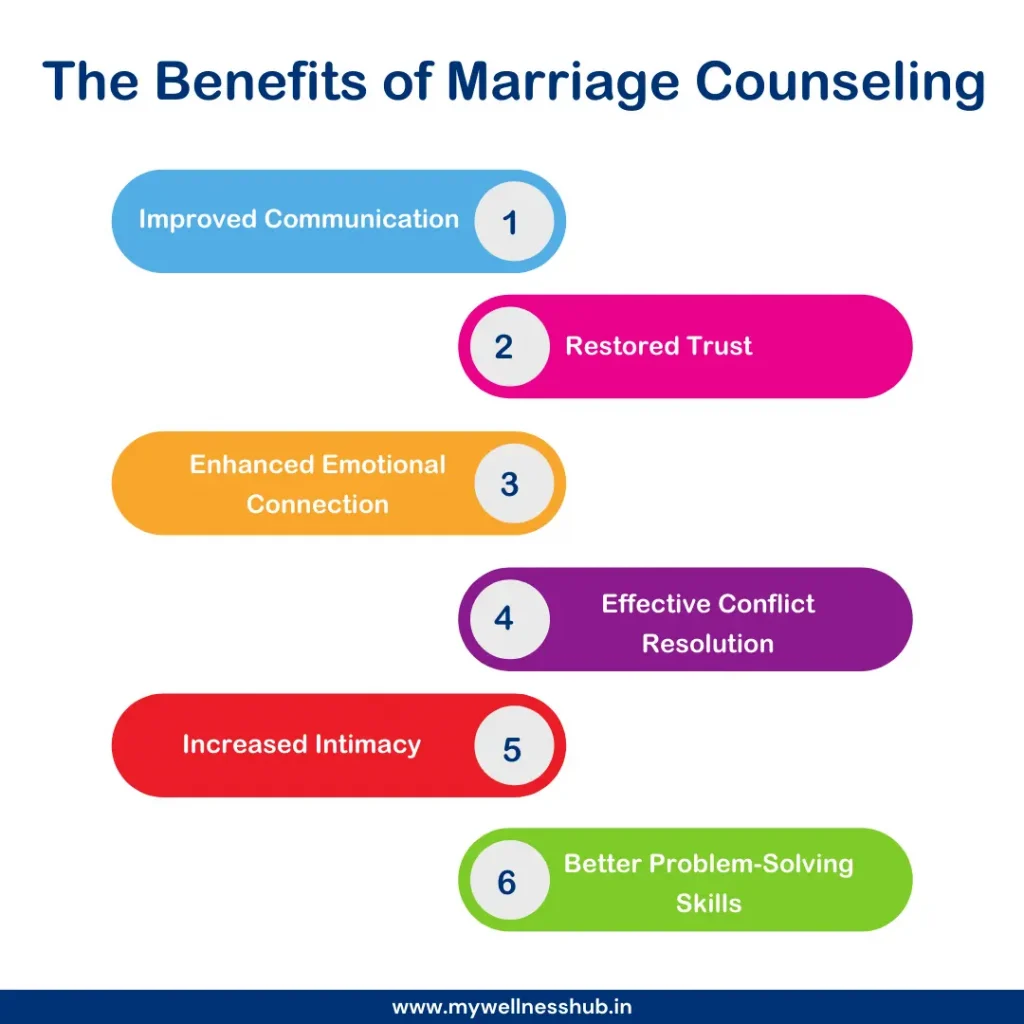
Whether you're having a hard time with invasive ideas that will not quiet, obsessions that consume hours of your day, or trauma that proceeds affecting your existing, effective assistance exists. The integration of injury treatment with OCD therapy uses pathways to freedom that resolve source rather than just taking care of symptoms. Your recovery journey is feasible, and it starts with discovering assistance that understands the full complexity of what you're experiencing.

Table of Contents
- – The Hidden Link In Between OCD and Injury
- – When Anxiety Becomes Greater Than Worry
- – EMDR: Reprocessing Injury to Lower OCD Manifes...
- – Brainspotting: Accessing Deeper Trauma Patterns
- – Sustaining Youngsters and Teens Through OCD an...
- – Navigating Pain While Taking Care Of OCD
- – Discovering Integrated Treatment That Works
Latest Posts
Understanding Early Experiences Through ADD/ADHD Testing & Evaluations for Lasting Healing
Breaking Free: Recognizing the Complex Connection Between OCD and Injury
When Mindfulness-Based Therapy Supports Recovery
Navigation
Latest Posts
Understanding Early Experiences Through ADD/ADHD Testing & Evaluations for Lasting Healing
Breaking Free: Recognizing the Complex Connection Between OCD and Injury
When Mindfulness-Based Therapy Supports Recovery